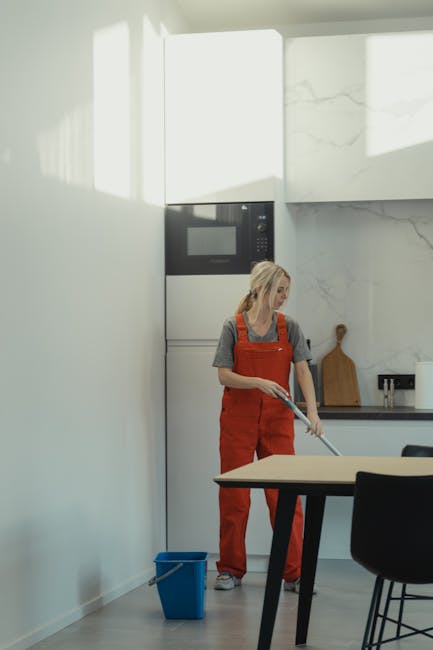
Same day emergency cleaning in Knightsbridge: what to know before you book
If you need same day emergency cleaning in Knightsbridge, you are probably dealing with something messy, stressful, and inconvenient all at once. A spill, odour, end-of-tenancy panic, post-party mess, flood residue, or an unexpected issue in a flat or townhouse can quickly become one of those jobs that cannot wait until tomorrow. Truth be told, the best outcome usually comes from acting fast, staying clear on what needs doing, and choosing a team that understands how to work safely and efficiently in a busy London setting.
This guide explains Same day emergency cleaning in Knightsbridge what to know in plain English. You will learn how urgent cleaning works, what to expect on the day, which mistakes to avoid, and how to judge whether a service is genuinely ready for a rapid response. We will also cover practical considerations such as access, safety, pricing, and the kind of follow-up that stops a small incident turning into a bigger headache. If you are in a rush, that is fine too. Start with the summary below and then scan the section that matches your situation.
Quick summary: the best same day emergency cleaning is not just fast; it is organised, safe, and clear about scope. The more detail you give upfront, the more likely the result is to be properly sorted in one visit rather than patched together in a hurry.
Table of Contents
- Why Same day emergency cleaning in Knightsbridge what to know Matters
- How Same day emergency cleaning in Knightsbridge what to know Works
- Key Benefits and Practical Advantages
- Who This Is For and When It Makes Sense
- Step-by-Step Guidance
- Expert Tips for Better Results
- Common Mistakes to Avoid
- Tools, Resources and Recommendations
- Law, Compliance, Standards, or Best Practice
- Options, Methods, or Comparison Table
- Case Study or Real-World Example
- Practical Checklist
- Conclusion
- Frequently Asked Questions
Why Same day emergency cleaning in Knightsbridge what to know Matters
Emergency cleaning matters because timing changes everything. In a place like Knightsbridge, where homes, offices, serviced apartments, and high-footfall premises are often compact, high-value, and tightly scheduled, even a small incident can disrupt the whole day. A wet carpet near a hallway, a kitchen spill that starts to smell, or a bathroom incident before guests arrive can become a bigger problem very quickly if it is left alone.
There is also the practical side. In urgent situations, people do not usually want a generic cleaner who can "fit you in sometime this week". They need someone who can respond same day, arrive prepared, and work with a clear plan. That means bringing the right equipment, understanding the surface type, respecting access arrangements, and not making the place wetter, dirtier, or more awkward to use than it already is. You'd be surprised how often that last bit is overlooked.
For landlords, letting agents, tenants, venue managers, and busy households, speed is only half the story. The other half is reassurance. You need confidence that the person turning up knows how to handle the mess without creating fresh damage, staining, or safety risks. That is why emergency cleaning should be judged on response time and competence.
If you are comparing providers, it helps to check the company's approach to who they are and how they work, especially if you want a proper sense of experience and reliability before giving the go-ahead.
How Same day emergency cleaning in Knightsbridge what to know Works
Same day emergency cleaning usually follows a simple pattern, although the details change depending on the job. First comes the call or enquiry. Then the cleaner asks a few quick questions to assess the scene, likely materials affected, access, urgency, and whether anything needs to be handled with extra care. After that, they decide whether they can attend immediately, what equipment to bring, and how long the job is likely to take.
In a good setup, the process feels calm, not chaotic. You explain what happened in normal language. They ask follow-up questions. Nothing fancy. For example: has the spill soaked into carpet underlay? Is there pet waste involved? Is the property occupied? Is there restricted access or a concierge? These details matter because a one-room wipe-down is very different from a two-stage clean involving stain treatment, odour control, and surface sanitising.
Once the team arrives, they should assess the area before starting. That assessment is not procrastination; it is how they decide on the safest method. A rushed cleaner who starts scrubbing the wrong way can spread contamination or push moisture deeper into a surface. In emergency cleaning, quick does not mean careless. It means focused.
Depending on the situation, same day cleaning may include some combination of:
- spot cleaning and stain removal
- surface sanitising
- odour treatment
- carpet or upholstery intervention
- kitchen or bathroom deep cleaning
- post-incident tidy-up after a spill, leak, or accident
- waste removal and safe disposal of dirty materials
If you want to understand pricing and how quotes are usually framed for urgent work, it is worth reviewing pricing and quote information before you commit. Emergency jobs often need faster assessment, so clarity helps everyone.
Key Benefits and Practical Advantages
The obvious benefit is speed. But there are several quieter advantages that matter just as much, especially if you are handling a stressful situation in a home, rental property, or business premises.
1. Less damage over time
Many cleaning problems get worse the longer they sit. Liquids soak deeper, smells settle in, and stains become more stubborn. Same day attention can reduce the chance of permanent marking or lingering odour. That is especially true for carpets, soft furnishings, and porous flooring.
2. Less disruption to the property
If the area is restored quickly, you can often keep using the room, reopen a space, or continue hosting guests with less interruption. In practice, this can be the difference between a stressful blip and a full-on operational headache. Let's face it, nobody wants to cancel a booking over a cleaner's delay.
3. Better hygiene and safer conditions
When the issue involves bodily fluids, waste, damp residue, or food contamination, fast cleaning is not just about appearances. It is about reducing unpleasant smells, hygiene issues, and slip hazards. A good emergency cleaning service should treat this as a safety matter, not just a cosmetic one.
4. More control under pressure
Urgent situations often make people feel a bit frozen. Having a clear process brings order back into the room. You know what is happening, what will be cleaned, and what may need follow-up. That sense of control is worth something. Quite a lot, actually.
5. Better outcomes for landlords and agents
For managed properties, same day cleaning can protect schedules, reduce complaints, and prevent small issues becoming awkward disputes. If a property needs a quick turnaround between occupiers, this can be especially useful.
Who This Is For and When It Makes Sense
Not every mess needs an emergency cleaner. Sometimes a scheduled visit is enough, and that is perfectly fine. But same day cleaning makes sense when delay would create extra damage, avoidable discomfort, or practical problems with access and use.
Typical situations include:
- unexpected spills on carpet, upholstery, or hard flooring
- kitchen messes that need sanitising before the space is used again
- bathroom incidents where hygiene is a concern
- post-party or post-event clean-ups with little turnaround time
- tenant move-outs that have gone off-plan, and then some
- minor flood residue or leak aftermath, where the surface is wet but the situation is still manageable
- odour-heavy incidents that need immediate attention
- busy offices, reception areas, or private clinics that need to stay presentable
It also makes sense for anyone who has visitors arriving the same day. A lot of emergency cleaning requests are actually dignity requests in disguise. People want their home or business to feel normal again before someone walks through the door. Fair enough.
If the situation involves risk, contamination, or structural damage, same day cleaning may be only one part of the fix. In that case, it is wise to ask whether the area needs additional specialist support rather than assuming one clean will solve everything.
Step-by-Step Guidance
If you are trying to get emergency cleaning sorted quickly, the simplest approach is usually the best. Here is a practical order of operations that works well in real life.
- Describe the incident clearly. Say what happened, where it happened, how large the affected area is, and whether there are any safety concerns. A vague "it's a bit of a mess" will slow things down.
- Explain the urgency. Tell the cleaner whether you need the space back today, before a guest arrives, before a handover, or before staff reopen the area.
- Share access details. In Knightsbridge, this can make a surprisingly big difference. Mention concierge instructions, parking restrictions, lift access, entry codes, or any timing limits.
- Ask what is included. Is it stain treatment only? Sanitising? Deep cleaning? Waste removal? Clarify the scope so there is no surprise halfway through.
- Confirm estimated arrival and duration. Same day does not always mean immediate, and that's okay, but you should still get a realistic window.
- Prepare the area if safe to do so. Move delicate items, keep pets away, and avoid spreading the mess by walking through it. If something is hazardous, leave it alone and wait for guidance.
- Let the cleaner assess before they begin. A proper assessment saves time overall. It also helps avoid damage to delicate surfaces.
- Check the result before signing off. Look at edges, corners, under furniture if possible, and any lingering smell. Small things get missed when everyone is rushed.
One practical tip: take a few photos before anything is moved. Not for drama. Just because it can help you explain the problem clearly and remember what was affected. Especially if you are juggling calls and trying to keep calm. People forget details. Happens to all of us.
Expert Tips for Better Results
In our experience, the best emergency cleaning outcomes usually come from a mix of prompt action and sensible restraint. You do not need to overexplain, but you should be specific where it matters.
Be precise about the material
"Red wine on cream carpet" is more useful than "there's a stain". "Grease on a kitchen tile floor" is more useful than "the kitchen is dirty". Different soils behave differently, and the cleaner needs that information to choose the right method.
Do not start scrubbing with random products
This one is common. People panic, reach for whatever is under the sink, and then discover they have made the stain bigger or spread it around. If you are unsure, blot carefully with plain absorbent cloths and wait for professional advice. No heroics required.
Keep the airflow sensible
If it is safe, open a window or ventilate the room a little. That can help reduce smell and moisture build-up. But if the issue involves contamination or water damage, ask first. There are cases where moving air around too early is not ideal.
Ask about follow-up needs
Some jobs need a second visit, especially if the first visit is focused on containment, extraction, or deep stain treatment. A good provider will be honest about whether one pass is enough. If they promise miracles on the spot, be cautious. Cleaning is useful. Magic, less so.
Check trust signals, not just speed
Urgency is important, but so is confidence. Look for clear communication, sensible pricing, a straightforward complaints route, and information about safety and insurance. These are the things that show the service is organised rather than improvising in a rush. You can review insurance and safety information and the company's health and safety policy if you want a better sense of how seriously those issues are treated.
Common Mistakes to Avoid
Emergency cleaning is one of those situations where a few small errors can complicate things. Avoid these if you can.
- Waiting too long to ask for help. A small spill can turn into a stubborn stain or lingering smell.
- Giving incomplete details. The cleaner can only prepare for what they know about.
- Choosing on speed alone. Fast is helpful, but not if the service lacks proper equipment or safe practice.
- Using the wrong cleaning product. Some products discolour fabric, damage flooring, or react badly with residue already present.
- Forgetting access constraints. In central London, this can waste more time than the actual cleaning.
- Expecting every emergency to be fully fixed in one pass. Sometimes containment and recovery are the first step, not the final one.
- Not checking the finished area properly. A rushed handover can miss a wet patch, a scent, or a visible mark near the edge of a room.
A slightly annoying truth: many "emergencies" become less expensive and less stressful when people call early. Not always, but often enough that it is worth saying out loud.
Tools, Resources and Recommendations
For a same day cleaning job, the right tools matter as much as the right approach. You do not need to know every machine name, but it helps to understand the broad categories so you can ask better questions.
| Tool or resource | What it helps with | Why it matters in an emergency |
|---|---|---|
| Microfibre cloths | Blotting, wiping, and controlled surface cleaning | Useful for quick, low-damage cleanup and spot treatment |
| Extraction equipment | Removing moisture from carpets or upholstery | Helps reduce soaking, staining, and drying time |
| Safe cleaning solutions | Removing soil, grease, or residues | Prevents unnecessary damage to delicate materials |
| Protective gloves and PPE | Safer handling of contaminated or messy areas | Important where hygiene or exposure is a concern |
| Waste bags and disposal supplies | Containment and removal of dirty materials | Keeps the area safe and stops mess spreading |
On the customer side, a few practical resources help a lot:
- a clear phone photo of the affected area
- building access instructions
- basic details about the surface type, if known
- any notes about pets, children, allergies, or sensitive materials
- your target turnaround time, written down if you are juggling multiple things
If you want to understand payment handling before confirming a visit, it is sensible to review payment and security details. A smooth booking is a lot easier when the admin is clear from the start.
For customers who want to know how quotes are issued, the pricing and quotes page is the right place to check expectations before work begins.
Law, Compliance, Standards, or Best Practice
Emergency cleaning is not usually a heavily regulated service in the way some specialist trades are, but there are still important best-practice expectations. A reliable provider should work with proper care, sensible hygiene standards, and safe handling of materials. They should also avoid misleading claims about what can be removed, restored, or disinfected in one visit.
From a practical UK perspective, good service should show awareness of:
- Health and safety around slips, sharps, body fluids, chemicals, and manual handling
- Insurance in case of accidental damage while on site
- Clear terms so the customer knows what is included and what is not
- Privacy and discretion when working in occupied homes or sensitive business spaces
- Responsible waste handling where contaminated or dirty waste needs proper disposal
It is also good practice for a provider to be upfront if a job is beyond the scope of same day cleaning alone. For example, serious water ingress, extensive mould, structural damage, or hazards requiring specialist remediation should be handled cautiously and not overpromised. The honest answer is usually the safest one.
Before you agree to any urgent work, it is worth reading the company's terms and conditions and any relevant policy pages so you know how the booking, responsibilities, and service limits are described. That sounds a bit dry, yes, but it saves awkwardness later.
Options, Methods, or Comparison Table
Not every urgent cleaning problem needs the same kind of response. Comparing your options can help you choose the right level of service rather than simply the fastest-sounding one.
| Option | Best for | Pros | Limitations |
|---|---|---|---|
| Spot emergency clean | Small spills, isolated marks, quick tidy-ups | Fast, targeted, usually less disruptive | May not solve deeper staining or odour |
| Room-level deep clean | Messy kitchens, bathrooms, or living areas | More thorough, better for visible reset | Takes longer and may cost more |
| Carpet or upholstery intervention | Soft furnishings, traffic areas, accidental spills | Good for extraction and stain treatment | Not all marks can be removed completely |
| Post-incident sanitising | Hygiene-sensitive situations | Reduces contamination risk and odour | May need follow-up if residue has set in |
| Full same day end-of-tenancy rescue | Move-outs gone wrong, last-minute inspections | Comprehensive and practical under time pressure | Only realistic if access and scope are clear |
The right choice depends on the mess, the surface, and the deadline. A small but important detail: the "best" method is often the one that prevents worsening, not the one that looks dramatic in the moment. Sometimes restraint is the expert move.
Case Study or Real-World Example
Picture a late afternoon in Knightsbridge. A tenant is due to hand back keys the next morning, and a kitchen spill has left grease marks across the floor, a sticky worktop, and an odour that seems to linger no matter how many windows are open. It is not a disaster, but it is absolutely a problem.
What makes the difference in this kind of case is not frantic scrubbing. It is clear information. The tenant explains the affected rooms, the deadline, and the fact that the property has limited parking access and a short entry window because of building management rules. The cleaner arrives prepared, starts with the worst areas first, checks the surface type, and works methodically from containment to finishing touches.
The practical result is that the kitchen becomes presentable again, the smell is reduced, and the property can be handed over with far less stress. Was everything perfect? Probably not every hidden mark vanished. But the important thing was that the room met the immediate need: usable, clean, and no longer embarrassing. That is what same day emergency cleaning is often really about.
If the issue had been larger or more complex, a second visit might have been recommended. And that would be fair. A realistic plan beats an overconfident promise every time.
Practical Checklist
Use this checklist before the cleaner arrives, if you have time.
- Confirm the exact problem and the affected area
- Take photos if helpful
- Note any hazards, smells, moisture, or contamination
- Share access instructions and any building restrictions
- Move delicate items out of the way if it is safe
- Keep children and pets away from the area
- Avoid using random cleaning chemicals
- Ask what the service includes and what results are realistic
- Check the estimated arrival window
- Review payment, safety, and terms information before agreeing
- Inspect the result before the team leaves
If you want a simple rule to remember, here it is: describe clearly, act early, and choose safety over guesswork.
Conclusion
Same day emergency cleaning in Knightsbridge is about more than speed. It is about getting the right help quickly, with enough structure to solve the actual problem instead of just moving it around. The best results come from clear communication, sensible expectations, and a provider that understands both the practical and the human side of an urgent mess.
Whether you are dealing with a spill, a hygiene issue, a last-minute property handover, or a room that simply needs to be rescued before the day gets worse, the same principles apply: be specific, ask sensible questions, and choose a service that works safely and honestly. That is how you protect the property, the schedule, and your peace of mind.
Get a free quote today and see how much you can save.
If you would like to explore the company's approach in more detail, you can also review the about us page, or get in touch through the contact us page when you are ready to discuss a specific urgent job.
And if you are still weighing things up, that is okay too. A careful decision now usually makes the whole day feel a lot lighter.
Frequently Asked Questions
What counts as same day emergency cleaning in Knightsbridge?
It usually means a cleaning visit arranged and carried out on the same day you make contact, where the issue is urgent enough that delaying would create more damage, more mess, or more disruption. That might include spills, odours, hygiene-sensitive incidents, or last-minute property turnarounds.
How fast can an emergency cleaner arrive?
That depends on the time of day, access, workload, and the exact location. In a busy area like Knightsbridge, arrival can be affected by traffic and building entry procedures, so giving clear details early helps shorten the delay.
Do I need to clean anything before the team arrives?
Only if it is safe to do so. You can usually move valuables, keep pets away, and avoid walking mess around. But do not scrub aggressively or use random chemicals unless you have been advised to. That can make things worse, and nobody wants that extra drama.
Is emergency cleaning more expensive than standard cleaning?
It often is, because the service needs quicker scheduling, urgent travel, and sometimes extra equipment or out-of-hours attention. Exact pricing varies, so it is sensible to check how quotes are handled before confirming the job.
What kind of jobs are suitable for same day cleaning?
Common examples include spills on carpet, kitchen mess, bathroom incidents, post-party clean-ups, odour removal, and last-minute property reset work. More serious issues may need a specialist assessment first.
Can a same day clean remove all stains?
Not always. Many stains can be improved significantly, but the outcome depends on the material, how long the stain has been there, and whether any wrong product was used earlier. A good cleaner should be honest about what is realistic.
What should I ask before booking?
Ask what is included, how quickly they can arrive, whether they are insured, what equipment they use, how they handle safety, and what the expected result will be. Those questions save a lot of confusion later.
Is same day emergency cleaning suitable for rental properties?
Yes, very often. It is particularly useful for move-outs, guest changeovers, or situations where a landlord or agent needs the property brought back to a usable standard quickly. Clear scope and access details matter a lot in those cases.
Should I worry about insurance and safety?
Yes, in the sensible way. Any cleaner entering a property should work safely and should ideally be covered for accidental damage. You can review the company's insurance and safety information if you want reassurance on that point.
What if the mess is larger than expected?
Then the cleaner should reassess the scope and explain the next step honestly. Sometimes the best response is a partial same day clean followed by a follow-up visit. That is still useful, because it stops the problem from getting worse.
How do I know if I am choosing the right provider?
Look for clear communication, realistic promises, sensible policies, and straightforward pricing. If the company is transparent about quotes, terms, and safety, that is usually a good sign.
What if I need to raise a concern after the job?
Good providers should have a clear process for handling complaints. If you ever need it, the complaints procedure page is the place to check how that works.
Can emergency cleaning help with odours?
Yes, depending on the source and severity. Quick intervention can help a lot with food smells, damp-related smells, and incident-related odours. Deep-set odours may need a more thorough or staged approach, though.
How should I prepare for a cleaner in a secure Knightsbridge building?
Share entry instructions, concierge information, and any timing rules as early as you can. In central London, access is often the thing that slows everything down, not the cleaning itself. One small detail can save half an hour, sometimes more.