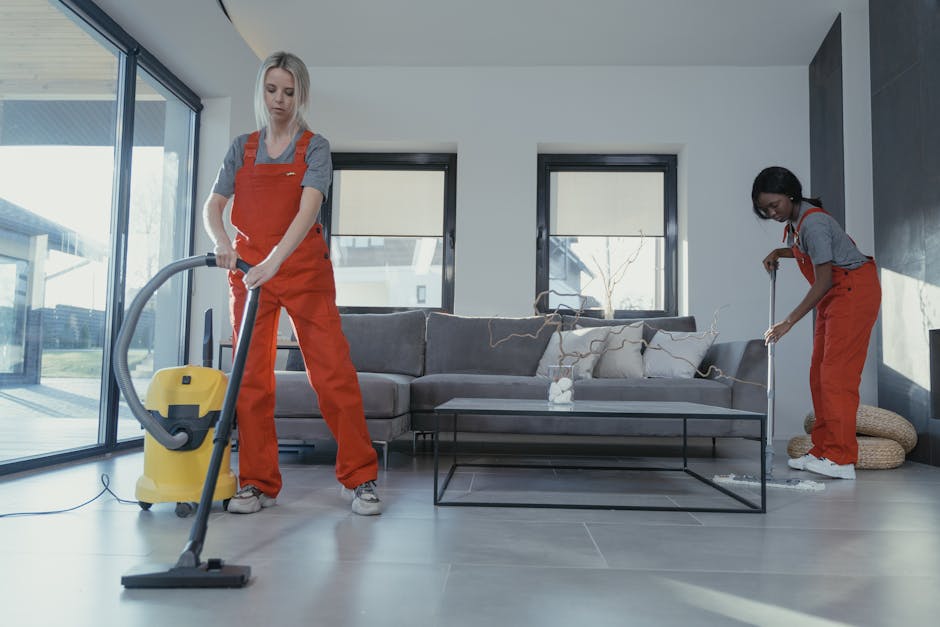
Compare Knightsbridge cleaners quotes tips to get best rates

If you are trying to compare Knightsbridge cleaners quotes tips to get best rates, you are probably doing what most careful customers do: trying to avoid overpaying without ending up with a cut-price service that feels rushed, vague, or messy in the wrong way. Fair enough. In Knightsbridge, where properties can range from compact flats to large townhouses and managed buildings with access rules, quote comparisons are rarely one-dimensional. Price matters, of course. But so do scope, timing, insurance, access, and the little extras that only show up after the cleaner has arrived with a bucket and a plan.
This guide walks you through how to compare quotes properly, what to look for beyond the headline figure, and how to use practical tips to secure better rates without sacrificing quality. You will also find a checklist, a comparison table, and a few real-world examples that make the process feel less like guesswork and more like a sensible decision. Truth be told, the cheapest quote is not always the best value. Sometimes it is just the one with the most missing details.
Why Compare Knightsbridge cleaners quotes tips to get best rates Matters
Quote comparison is not just about saving a few pounds. In a premium London area like Knightsbridge, it is often the difference between a well-organised clean and an awkward day of surprises. Buildings may have porter requirements, narrow service access, parking constraints, or limited lift use. That can affect time on site, equipment needs, and the real cost of the job. A quote that looks attractive at first glance may not reflect those practical realities.
There is also the quality side. Different cleaning companies price differently because they structure their labour, travel, materials, and supervision in different ways. Some include detergents and specialist tools. Others charge separately for them. Some base their rates on room count. Others use hourly pricing, and that can be fine if the scope is clearly defined. The issue is not that one model is better than another. The issue is whether you know what you are comparing.
In practice, the best rates come from informed comparisons. Not frantic haggling. Not guessing. Just calm, clear comparison. If you have ever wondered why two quotes for what sounds like the same clean can vary so much, the answer is usually scope, risk, access, and service depth. A cleaner who asks sensible questions often ends up being the better value, even if their number is not the lowest.
For wider context on pricing, the site's pricing and quote information is a useful starting point, especially if you want to understand how different job types are typically approached.
How Compare Knightsbridge cleaners quotes tips to get best rates Works
The process is straightforward, but the details matter. First, you define the job properly. Then you request quotes from a small group of cleaners. After that, you compare each response using the same checklist so you are not comparing apples with oranges. That sounds obvious, but people skip the middle step all the time.
A good quote comparison usually includes these elements:
- Scope: What exactly is included, room by room or area by area?
- Frequency: Is this a one-off visit, weekly cleaning, or a recurring contract?
- Time estimate: How long does the cleaner expect the work to take?
- Materials: Are products, cloths, and specialist equipment included?
- Access and logistics: Are there extra charges for parking, entry, stairs, or difficult access?
- Insurance and safeguards: Is the company insured and clear about responsibility?
- Flexibility: Can the service be adjusted if your needs change?
When a cleaner gives you a quote, they are really making an assumption about effort and risk. The more precise your brief, the better the estimate. If you say "general clean," one company may picture a light tidy. Another may assume skirting boards, splashbacks, and inside-oven work. That is where problems begin.
For related domestic services, you may also want to look at domestic cleaning and deep cleaning so you can match the service level to the type of quote you are seeking.
Key Benefits and Practical Advantages
Comparing quotes properly gives you more than a lower bill. It gives you control, clarity, and fewer awkward phone calls later. And yes, fewer surprises. Lovely, really.
Better value for money
The most obvious benefit is cost control. Once you compare comparable quotes, you can see which provider is genuinely competitive and which is simply underquoting to win the booking. A fair price is usually the one that aligns with the job size, access, and expected cleaning standard.
Clearer expectations
Good quote comparison forces both sides to define the job clearly. That means less ambiguity around bathrooms, kitchens, appliances, dusting detail, and whether the cleaner is expected to move furniture. Clear expectations almost always reduce friction.
Improved service quality
It is tempting to chase the lowest number. But when you compare carefully, you start noticing signs of professionalism: prompt replies, decent questions, itemised estimates, and a sensible approach to risk. These are not glamorous things. They are the things that make a clean go smoothly.
Less chance of hidden extras
Some fees only appear after the first visit: extra rooms, special stain treatment, late changes, emergency timing, or access complications. Comparing quotes with those risks in mind helps you spot weak pricing structures before you commit.
More confidence when booking
There is a certain relief in knowing you have checked the details properly. You are not hoping the service will be fine. You have actually assessed it. That confidence matters, especially if the clean is linked to a move, a handover, or a tight schedule.
Expert summary: the best rates usually come from accurate briefings, itemised quotes, and a calm side-by-side comparison. If a quote is vague, it is not cheaper yet - it is incomplete.
Who This Is For and When It Makes Sense
This approach is useful for almost anyone booking a cleaner in Knightsbridge, but it is especially valuable in a few common situations.
- Busy households that need a regular cleaner but do not want to overpay for the wrong service level.
- Landlords and letting agents who need reliable turnaround and a clear cost structure.
- Tenants arranging end-of-tenancy cleaning and trying to avoid deductions or re-cleans.
- Homeowners preparing for guests, events, or a seasonal reset.
- Office managers who need to compare recurring commercial cleaning quotes.
- Anyone with access constraints such as concierge entry, timed lift use, or strict building rules.
It also makes sense when you are booking specialist work. For example, a standard house clean is not the same as end of tenancy cleaning, and neither is the same as oven cleaning or upholstery cleaning. Different tasks call for different equipment, time, and expertise. Compare quotes accordingly, not by instinct alone.
And if your property needs a broader reset, combining services can sometimes be more economical than booking them separately. That does not always happen, but it is worth asking.
Step-by-Step Guidance
If you want the best chance of getting a fair quote, follow a simple process. Nothing flashy. Just a sensible order.
1. Define the job precisely
Write down what you need cleaned, how often, and what "done properly" means to you. A one-bedroom flat, a family home with pets, and an office kitchen do not produce the same quote. Be specific about bedrooms, bathrooms, floors, appliances, windows, and any areas that need extra care.
2. Note access and building details
In Knightsbridge, access can change the quote more than people expect. Mention concierge rules, parking limitations, floor level, lift access, or restrictions on service entry. If a cleaner has to carry equipment upstairs or work around narrow time windows, that should be reflected honestly.
3. Request quotes from a short list
Three quotes are often enough to spot the pattern. Too many and you will spend all afternoon comparing emails. Not ideal. Ask each provider the same questions so the responses are comparable.
4. Check what is included
Look for itemisation. Does the quote include consumables? Are bathrooms deep-cleaned or just sanitised? Is the kitchen cleaned top to bottom or only visibly wiped? Small differences matter.
5. Ask about exclusions and add-ons
This is where hidden costs lurk. Ask what happens if the clean takes longer, if extra limescale removal is needed, or if parking charges apply. A clear answer now is worth a lot later.
6. Compare more than the total price
Check responsiveness, professionalism, insurance, payment terms, cancellation policy, and whether the cleaner understands your property type. A slightly higher quote may still be better value if it reduces risk and saves time.
7. Book and confirm in writing
Once you choose, confirm the agreed scope, price, date, and any special instructions. That simple step prevents the classic "I thought that was included" conversation. Nobody enjoys that one. Nobody.
If you are booking around a tight deadline, the article on delayed bookings problems when hiring Knightsbridge cleaners is a useful reminder of why early planning usually pays off.
Expert Tips for Better Results
Here is where quote comparison gets sharper. These are the small tactics that often move you from "fine" rates to genuinely better value.
Be precise about cleanliness level
"Light clean" means very different things to different cleaners. Instead of broad language, describe the finish you want. For instance: kitchen surfaces, cupboard fronts, sink, taps, hob, bathroom tiles, skirting boards, and high-touch points. That removes guesswork.
Use the same brief for every quote
If one cleaner gets a shorter description than the others, the comparison is already skewed. Consistency matters. A lot, actually.
Ask for an itemised quote where possible
Itemised quotes help you see where the money is going. That makes it easier to remove unnecessary tasks or add important ones. It also tends to flush out vague pricing, which is handy.
Look for flexibility, not just discounting
Sometimes the best rate is delivered through smarter scheduling rather than a lower headline price. Midweek slots, off-peak timings, or combining tasks in one visit can improve value without cutting corners.
Check whether specialist services are better bundled
If you need carpet care, sofa cleaning, or an oven reset, ask whether bundling those tasks saves money. Many cleaners can price a combined visit more efficiently than separate callouts. Consider carpet cleaning, sofa cleaning, or window cleaning if they are part of the same job.
Be honest about condition
If a room has been neglected, say so. If there are pet hairs, heavy grease, or post-renovation dust, say that too. Understating the condition usually leads to a quote that looks good until the cleaner arrives and realises the job is much bigger. Not ideal for anyone.
Use local knowledge to your advantage
In an area like Knightsbridge, many providers already understand building management rules, traffic constraints, and access quirks. That local familiarity can save time, and sometimes money, because the cleaner is not learning on your doorstep.
Common Mistakes to Avoid
People often lose money not because they chose the wrong cleaner, but because they compared the quotes badly. These are the common traps.
- Choosing only by headline price: the cheapest figure can hide exclusions, short time estimates, or add-ons.
- Ignoring access details: stairs, lifts, parking, and building entry can all affect cost.
- Not clarifying scope: if you do not define the job, the quote may not match your expectations.
- Assuming all cleaners include materials: some do, some do not.
- Forgetting to ask about insurance: this matters when cleaners work in homes with valuable items or sensitive surfaces.
- Booking too late: urgent jobs tend to cost more, especially if you need a narrow time slot.
- Overlooking cancellation or minimum-charge terms: those small lines can matter more than you think.
One of the quieter mistakes is accepting a quote that feels "about right" without checking the detail. That is human, of course. We all do it now and then. But with cleaning services, small assumptions can turn into extra charges fast.
Tools, Resources and Recommendations
You do not need complicated software to compare cleaning quotes well. A simple notes app or spreadsheet is usually enough. Keep each quote in one place and compare the same fields side by side.
Useful items to track include:
- Property size and layout
- Service type requested
- Quoted price and what it covers
- Time estimate
- Materials supplied
- Access notes
- Insurance confirmation
- Cancellation or rescheduling terms
- Any extras or exclusions
If you want a broader overview of services before requesting quotes, the cleaners and cleaning company pages help set expectations about the type of provider you are dealing with, while the office cleaners and house cleaning pages are useful if you are comparing residential and business requirements.
For maintenance planning, some readers also find it useful to think in service categories rather than one-off jobs. Regular home cleaners may offer different value from occasional one-off cleaning, so the cheapest quote in one category may not be the cheapest over three months.
Law, Compliance, Standards, or Best Practice
Cleaning quotes are commercial agreements, so the basics of fairness and clarity matter. You are not usually dealing with heavy legal complexity, but you are still entitled to know what you are buying, what the price includes, and what happens if the service changes.
Best practice in the UK cleaning market typically includes:
- clear written quotation details
- transparent pricing and payment terms
- appropriate insurance for the work being carried out
- clear health and safety practices for staff and occupants
- proper handling of waste, materials, and access arrangements
If a cleaner uses chemicals, equipment, or methods in your property, it is reasonable to expect safe working habits and sensible communication about any risks. For example, if floors are freshly polished or surfaces are delicate, that should be discussed before the job starts. Same with ventilation, pets, or access constraints. Nothing dramatic. Just decent practice.
You may also want to review a provider's insurance and safety, health and safety policy, and terms and conditions before you confirm a booking. Those pages help you understand how the company handles risk, responsibility, and expectations. If payment security matters to you, their payment and security information is worth a quick look too.
For those interested in local operational standards, the blog also covers issues such as Kensington and Chelsea council rules for Knightsbridge cleaners and common hidden cleaning fees in Knightsbridge and how to avoid, both of which are practical reading if you want to understand the local context a bit better.
Options, Methods, or Comparison Table
There is more than one way to compare cleaners, and each method has strengths. The right one depends on how much detail you want and how complex the job is.
| Comparison method | Best for | Pros | Watch out for |
|---|---|---|---|
| Headline price comparison | Simple, low-risk jobs | Fast and easy | Can miss extras and scope gaps |
| Itemised quote comparison | Most domestic and specialist jobs | Clearer value picture | Takes a bit longer to review |
| Scope-based comparison | Deep cleans, end-of-tenancy, larger properties | Best for avoiding disputes | Needs careful briefing |
| Relationship-based comparison | Recurring cleaning or long-term support | Useful for trust and consistency | May hide pricing differences unless reviewed regularly |
For a one-off job, itemised quoting is usually the sweet spot. For recurring services, the relationship matters more over time, but you still want to revisit the price every now and then. People forget that. A quote can be "good" in month one and a bit stale by month six.
If your needs are more specialised, compare against the relevant service page rather than a general clean. For example, oven cleaner, rug cleaning, hard floor cleaning, or facade cleaning all have different labour and equipment implications.
Case Study or Real-World Example
Imagine a two-bedroom Knightsbridge flat with two bathrooms, a busy kitchen, and a narrow service entrance. The owner wants a deep clean before guests arrive on Saturday evening. One cleaner gives a low, vague quote based on "standard flat cleaning." Another asks about the number of bathrooms, kitchen condition, access, and whether inside appliances are needed. The second quote is higher, but it includes more detail and a clear time estimate.
On the day, the first provider would likely have needed to charge more, or leave parts unfinished, or return for a second visit. The second provider, having quoted properly, arrives with the right expectation and enough time. In a case like that, the slightly higher initial figure is often the better rate in real terms because it avoids rework, stress, and awkward last-minute adjustments.
I have seen this play out in small ways too. A client thinks the hallway is "just a hallway." Then there are scuffed walls, a runner rug, a mirrored console, and a bit of smoke smell from a winter candle habit. Not a disaster, just more work than expected. Once the quote is adjusted honestly, everyone is calmer.
For readers dealing with tighter timelines, the blog post on same-day emergency cleaning in Knightsbridge what to know may help you think through the trade-offs between urgency and cost.
Practical Checklist
Use this before you accept any quote. A quick run-through can save you a lot of bother later.
- Have I described the job clearly and consistently?
- Have I listed all rooms, surfaces, and special tasks?
- Have I mentioned access issues, parking, or building rules?
- Do I know whether materials are included?
- Has the cleaner explained what is excluded?
- Is the price fixed, estimated, or hourly?
- Do I know the minimum charge or cancellation policy?
- Have I checked insurance and safety information?
- Is the time estimate realistic for the scope?
- Have I compared at least two or three quotes on the same basis?
- Have I confirmed everything in writing?
Quick tip: if a quote feels unusually low, ask one extra question before accepting it. Often that one question reveals whether the lower price is a genuine saving or just a missing detail.
Conclusion
To compare Knightsbridge cleaners quotes well, you need more than price tags. You need clarity, consistency, and a small amount of healthy scepticism. The best rates usually go to the customer who gives the clearest brief, asks the right questions, and looks beyond the headline number. That is the real trick. Not chasing the cheapest quote, but finding the one that makes sense from start to finish.
Whether you are booking a one-off clean, arranging ongoing help, or pricing up a specialist job, a careful comparison will almost always leave you better informed and more in control. And honestly, that peace of mind is worth something too. Especially in a busy area where timing, access, and expectations can move around a bit.
If you want to take the next step, review the quote details, check the service scope, and compare like for like. The right cleaner should feel clear, practical, and straightforward from the first conversation.
Get a free quote today and see how much you can save.
Frequently Asked Questions
How do I compare Knightsbridge cleaners quotes fairly?
Compare them using the same brief, the same service type, and the same assumptions about access, materials, and timing. If one quote is more detailed than the others, break it down into scope and exclusions before you judge the price.
Why do cleaning quotes vary so much in Knightsbridge?
Quotes vary because properties, access conditions, service depth, and timing all affect labour and cost. Knightsbridge homes and flats can differ a lot, so a quote should reflect the real job rather than a generic template.
Is the cheapest cleaning quote usually the best option?
Not usually. A very low quote can mean less time on site, fewer tasks included, or extra charges later. The best value is often the one with the clearest scope and the fewest surprises.
Should a quote include cleaning materials?
It should say clearly whether materials are included. Some cleaners bring everything, while others charge separately or expect certain supplies to be available. Always check rather than assume.
What information should I give before asking for a quote?
Tell the cleaner the property size, number of rooms, the type of clean, access details, any special tasks, and anything that might affect the time needed. The better the brief, the better the quote.
Can I get a better rate by booking at a quieter time?
Sometimes, yes. Midweek slots or less urgent bookings can be easier to schedule and may improve value. It is worth asking whether flexible timing changes the price.
What should I ask before accepting a cleaning quote?
Ask what is included, what is excluded, whether materials are supplied, whether insurance is in place, and whether there are cancellation or minimum-charge terms. Those questions are simple, but they matter.
How can I avoid hidden cleaning fees?
Ask for an itemised or at least clearly written quote, and mention access issues, parking, extra rooms, or specialist tasks upfront. Many hidden fees come from assumptions, not intent.
Do end-of-tenancy quotes need more detail than regular domestic quotes?
Yes, usually. End-of-tenancy cleaning often needs a more exact scope because landlords, agents, or tenants may expect a specific finish. It is better to spell out appliances, cupboards, bathrooms, and floors in advance.
What if a cleaner's quote seems too vague?
Ask for clarification before booking. A vague quote is hard to compare and often leads to mismatched expectations later. A reputable cleaner should be able to explain the price clearly.
Can I negotiate a cleaner's quote?
You can ask, especially if you are flexible on timing or combining services. Keep it polite and practical. The aim is a fair rate, not a tug-of-war.
Are online price guides enough to decide?
Price guides are useful for context, but they rarely replace a proper quote. Property size, access, and service level can change the real cost quite a bit, so a tailored estimate is still the better route.
Should I check insurance before booking?
Yes. Insurance is part of sensible best practice, especially when cleaners are working around valuables, fitted surfaces, or delicate items. It is a quick check that can save stress later.
What is the smartest way to get the best rate overall?
Be clear, compare like for like, ask about inclusions, and avoid last-minute panic bookings where you can. In the end, the best rate is often the one that balances price, detail, and reliability without drama.