Access issues for Knightsbridge flats specialist cleaning: what really matters before the team arrives
Access issues for Knightsbridge flats specialist cleaning can turn a straightforward booking into a frustrating afternoon if nobody has planned the basics. In Knightsbridge, that often means tight stairwells, lift restrictions, porters, timed entry slots, parking realities, and the simple fact that many flats are lived in, not empty. The cleaning itself may be specialist, but the success of the visit often depends on everything around it.
If you are arranging a deep clean, end of tenancy clean, upholstery refresh, or a careful one-off visit, the access side is not a minor detail. It affects timing, equipment, staff safety, what can be carried upstairs, and whether the job starts on time or after a lot of awkward waiting. Let's be honest, nobody enjoys standing in a lobby with a trolley while a keyholder is stuck in traffic. This guide breaks down the practical side so you can plan properly and avoid the common traps.
For company background, policies, and service information, you may also find it useful to look at the about us page, the health and safety policy, and the insurance and safety information. Those pages help set expectations around trust, safety, and professional standards.
Expert summary: In Knightsbridge flats, access planning is part of the cleaning job itself. The cleaner may be ready, but if the entry route, key handling, parking, lift access, or building rules are unclear, the whole appointment can become slower, more expensive, and less efficient.
Table of Contents
- Why access issues matter
- How access planning works
- Key benefits and practical advantages
- Who this is for and when it makes sense
- Step-by-step guidance
- Expert tips for better results
- Common mistakes to avoid
- Tools, resources and recommendations
- Law, compliance, standards and best practice
- Options and comparison table
- Case study or real-world example
- Practical checklist
- Conclusion
- Frequently asked questions
Why access issues for Knightsbridge flats specialist cleaning matters
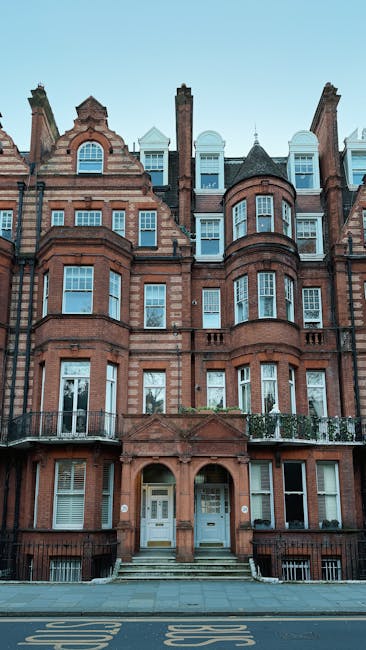
Access can make or break a specialist clean in a Knightsbridge flat. The cleaning itself might only take a few hours, but the surrounding logistics can add stress very quickly. Many flats in the area sit within mansion blocks, converted terraces, managed buildings, or apartments with strict entry rules. That means the cleaner is not simply turning up, knocking, and getting started.
Why does that matter so much? Because specialist cleaning is often equipment-heavy and time-sensitive. Carpet cleaning machines, upholstery tools, extension leads, eco detergents, buckets, and drying equipment all need to get in safely. If the lift is tiny, the stairwell is narrow, or there is no loading bay nearby, the job can become more physically demanding. Sometimes it is not dramatic. Sometimes it is just a long chain of small delays. But those little delays matter.
Good access planning protects the client too. It reduces the chance of missed appointments, awkward rescheduling, building complaints, and rushed work. It also helps the cleaning team give a more accurate quote in advance. If the team knows about a fifth-floor walk-up, a concierge sign-in requirement, or a restricted parking zone, they can plan properly rather than making assumptions.
In a busy area like Knightsbridge, there is also the simple issue of timing. Traffic, delivery restrictions, and building management procedures can all eat into the window you thought you had. A team that arrives prepared, with the right information, usually works faster and more calmly. That calmer start usually shows in the finished result.
If your flat needs more than a standard tidy-up, services such as deep cleaning, domestic cleaning, or end of tenancy cleaning are especially sensitive to access conditions because they often involve more equipment and more rooms.
How access issues for Knightsbridge flats specialist cleaning works
Access planning is basically the handover between the building, the client, and the cleaning team. The goal is simple: make sure the cleaner can enter, move safely, work efficiently, and leave without damaging anything or breaching building rules.
1. Entry details are confirmed in advance
The first step is usually confirming how the cleaner gets in. That may mean a key collection plan, concierge sign-in, buzzer code, meet-and-greet, or a lockbox arrangement. If the building has a porter, there may be a specific process for visitors and contractors. None of this is unusual, but it does need spelling out. A missing flat number or a wrong intercom code is enough to derail the start of the job.
2. Movement inside the building is planned
Once the cleaner can get in, the next issue is movement. Can the equipment fit in the lift? Is there protective sheeting needed in shared hallways? Are there fragile communal carpets or polished stone floors that need care? In Knightsbridge, building finishes can be quite smart, and that means extra caution is often expected. A professional team will want to avoid scuffs, drips, or unnecessary noise.
3. The job is matched to the access conditions
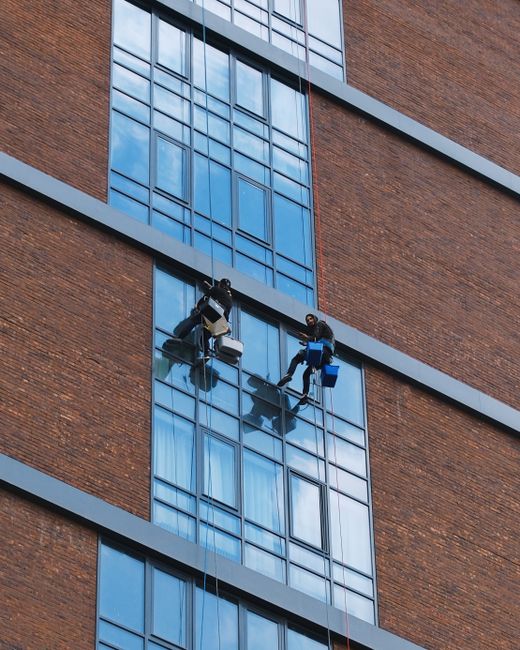
Not every service needs the same setup. A carpet cleaning visit may need water access, floor protection, and drying time. Sofa cleaning or upholstery cleaning may require smaller tools and more room around furniture. Window cleaning can raise questions about safe reach, balcony access, or how the team can access sash windows without disrupting the flat.
4. Risks are checked before work begins
Good cleaning companies will look out for hazards: wet floors, trailing cables, poor lighting, loose carpets on stairs, or building access pinch points. That kind of awareness matters in flats because you usually have less spare space to work with. One awkward corner can become the place where a bucket gets knocked or a trolley gets stuck. Not ideal, frankly.
5. The cleaner adapts on the day
Even with good planning, things sometimes change. A lift may be out of service. A concierge may ask for extra ID. A neighbour may be moving furniture. The best teams adapt calmly and communicate clearly, rather than forcing the issue.
Key benefits and practical advantages
When access is handled well, the whole cleaning visit becomes easier. That sounds obvious, but it is surprising how often it is overlooked.
- Less wasted time: The cleaner starts sooner and spends more time actually cleaning.
- Fewer disruptions: Building staff, neighbours, and residents are less likely to be affected.
- Better results: The team is not rushing because they spent twenty minutes waiting at the wrong entrance.
- Improved safety: Clear access reduces lifting mistakes, trip hazards, and equipment damage.
- More accurate quotes: Access conditions help shape realistic pricing and scheduling.
- Lower stress for the client: You know who is arriving, when, and how they are getting in.
There is also a less obvious benefit: trust. A company that asks detailed access questions before the appointment usually feels more organised on the day too. That sort of discipline matters in homes, but it matters even more in flats where space is limited and time is tight.
If you are comparing different types of support, a general cleaner may be suitable for lighter jobs, while a more experienced cleaning company is often better when access, insurance, building rules, and specialist equipment all need to be managed at once.
Who this is for and when it makes sense
Access planning is relevant for more people than you might think. It is not just for high-end apartments or complicated buildings. If the cleaner has to move through shared spaces, use a lift, collect a key, or bring equipment into a flat with awkward corridors, you already have an access consideration.
This approach makes sense if you are:
- a homeowner arranging a periodic or one-off deep clean;
- a tenant preparing for checkout and needing the place to be spotless;
- a landlord organising a refresh between occupiers;
- a managing agent coordinating work in a managed block;
- an office occupier in a mixed-use building with resident access rules;
- someone booking specialist help after decorating, water ingress, or heavy use.
It is especially useful in smaller flats where furniture has been moved close together or where the hallway becomes the main working lane. To be fair, most flats are not designed with cleaning teams in mind. They are designed for living in. So the cleaner has to be flexible, and the client has to be clear.
For more routine support, house cleaning, home cleaners, or one-off cleaning can be suitable depending on the size of the job and the level of access required.
Step-by-step guidance
If you want the appointment to run smoothly, here is a practical way to prepare. It is not complicated, but it does need doing properly.
- Confirm the exact address and flat number. Sounds basic, yes, but missing digits create real delays.
- Explain the entry route. Say whether there is a main entrance, side gate, concierge desk, buzzer, or separate service entrance.
- Share building rules. Some blocks require visitor registration, face-to-face sign-in, or advance notice for contractors.
- Tell the cleaner about lifts, stairs, and tight corners. If the lift is small, mention it. If the stairwell turns sharply, mention that too.
- Describe parking or unloading options. Even if parking is not guaranteed, the team needs to know the reality.
- Clarify access timing. If the porter is only on duty for certain hours, the appointment should fit around that window.
- List any keys, fobs, or codes. Make sure the handover plan is clear and safe.
- Move personal items where possible. That gives the cleaners space to work and reduces the chance of accidental contact.
- Flag fragile surfaces and delicate fittings. Marble, brushed brass, antique furniture, and soft furnishings all deserve a heads-up.
- Stay reachable on the day. If the cleaner cannot get in, a quick answer can save the appointment.
A small real-world example: a client once assumes the concierge would be happy to let the cleaners through with no notice. In the end, the cleaners waited outside, the concierge was on another call, and everyone got mildly annoyed. Nothing catastrophic. Just avoidable. A ten-second message beforehand would have saved the morning.
Expert tips for better results
These are the little things that make a surprisingly big difference.
- Give access notes in writing. A text or email is better than relying on memory.
- Include the awkward bits. Say what is inconvenient, not only what is easy.
- Allow a margin for building delays. London buildings can be wonderfully efficient, until they are not.
- Keep one person responsible for access. Too many coordinators can create confusion.
- Protect communal areas early. If the building is sensitive about floors or walls, say so before the visit.
- Ask about equipment size. Some specialist machines are compact; others are not. That matters on narrow stairs.
- Plan for noise and drying time. A wet-cleaning visit in a flat often needs a bit more patience than a standard tidy-up.
One thing we often tell clients is this: do not wait for the cleaner to discover the problem at the door. If there is a locked gate, a coded lift panel, or a strict building manager, say it upfront. It keeps everybody calmer. And calmer usually means better cleaning.
If your property has hard surfaces, hard floor cleaning can be a smart option, but it may require extra room for movement, drying, and safe equipment handling. Again, access shapes the method.
Common mistakes to avoid
Most access problems are not dramatic. They are small assumptions that pile up.
- Assuming the cleaner knows the building. Never assume. Even if they have worked nearby before, every block is a bit different.
- Forgetting about the lift size. A machine that fits in your hallway may still be a squeeze in a lift.
- Not telling anyone about concierge rules. This is a classic one.
- Ignoring parking restrictions. A team that has nowhere sensible to unload arrives already behind.
- Leaving keys with no clear handover plan. That creates anxiety on both sides.
- Booking too tight a time slot. Access issues can eat into the working window quickly.
- Overlooking the return journey. It is not only about getting in; it is also about getting equipment out safely.
There is also a subtle mistake that people make with specialist cleaning in flats: they forget that the work may involve water, steam, or chemical solutions that need careful handling near communal finishes. This is why professional standards matter. A quick, careless service can leave drips in a lift or marks in the hall. That is the kind of thing no building wants to see.
Tools, resources and recommendations
You do not need a toolbox full of gadgets to manage access well. You mainly need organisation. Still, a few practical tools help.
- A simple access note. Keep the flat number, entry code, concierge instructions, and parking notes in one place.
- Phone battery and signal. A dead phone on the day is not ideal, as we all know.
- Key labels or handover labels. These reduce mix-ups if keys are being collected or returned.
- Floor protection materials. Useful in some buildings where communal areas need extra care.
- Clear arrival instructions. A short message with landmark details can stop a lot of back-and-forth.
For customers looking at trust and service standards, the website's terms and conditions, payment and security, and privacy policy pages are useful reading. They help explain how bookings, information handling, and payment processes are managed.
If you care about environmental practice as well as access and safety, the recycling and sustainability page is also worth a look. It is not directly about access, of course, but it says something about how a company thinks about its work overall.
Law, compliance, standards and best practice
Access issues in flats touch a few practical areas of UK best practice, even when no single rule covers everything. Building management, landlord-tenant arrangements, health and safety duties, and insurance considerations can all sit in the background.
The safest way to think about it is this: if cleaners are entering a managed property, they should be treated as contractors with a clear route, a clear time window, and a clear understanding of hazards. That is common sense, but it also aligns with good workplace and site safety practice. In some buildings, there may also be concierge procedures, fire safety expectations, or rules about lifts and service corridors.
For clients, the key point is not legal jargon. It is simply making sure the cleaner is not put in a situation where they have to guess. A guess in a quiet flat can become a problem in a busy block. A cleaner carrying equipment through a tight lobby should not be improvising around unknown obstacles.
Professional companies usually also think about insurance cover, staff training, and complaint handling. If something does go wrong, you want a clear route to fix it. The complaints procedure page is helpful for understanding that process, and the accessibility statement can be useful if access arrangements need to accommodate different needs or limitations.
There is no need to overcomplicate this. Best practice is usually just organised communication, safe movement, and respect for the building.
Options and comparison table
Different access setups suit different kinds of flats and different cleaning jobs. Here is a practical comparison.
| Access method | Best for | Strengths | Watch-outs |
|---|---|---|---|
| Meet-and-greet at the flat | One-off or high-value specialist cleans | Clear handover, fewer misunderstandings | Relies on someone being available on time |
| Concierge sign-in | Managed blocks and apartment buildings | Feels orderly, building staff can help | Requires prior notice and sometimes ID |
| Key collection from a safe agreed point | Landlords, tenants, remote bookings | Flexible, useful when nobody is home | Key security must be handled carefully |
| Tenant or resident buzzer access | Occupied flats with someone present | Simple, fast if communication is good | Can fail if codes change or phones go silent |
| Service entrance or loading access | Larger jobs and equipment-heavy visits | Reduces disruption in main entrance areas | Needs exact instructions and timing |
In practice, the best option is the one that suits the building, the equipment, and the person booking the job. There is no single perfect answer. A concierge-led building might be ideal for one client and completely unnecessary for another. The point is to match the plan to the reality on the ground.
Case study or real-world example
A typical Knightsbridge scenario goes something like this. A resident books a specialist clean for a two-bedroom flat after a long period of rental occupancy. The place is not a mess, but it needs proper attention: carpets, upholstery, kitchen touchpoints, and a thorough refresh before new tenants view it.
The problem is access. The building has a concierge desk, but contractor details must be sent ahead of time. The lift is small. There is no obvious parking spot directly outside. And the flat sits on an upper floor.
When the access details are confirmed early, the visit is straightforward. The cleaner arrives with the right tools, the concierge is expecting them, and the work begins without fuss. The team can focus on the actual cleaning rather than trying to solve building logistics on the spot. That is the ideal. Quiet, efficient, no drama.
When the details are not confirmed early, the same appointment can easily become delayed. A missed code, a confused porter, or a blocked entrance can cut into the available working time. The clean may still get done, but it is rarely as smooth.
That small difference is why access planning deserves attention. It is not bureaucracy for the sake of it. It is what lets good work happen properly.
Practical checklist
Use this before the cleaners arrive. It is simple, but it covers the essentials.
- Confirm the full address and flat number.
- Share the entry route, buzzer code, or concierge procedure.
- Tell the team about lift size, stairs, and narrow corridors.
- Explain parking or unloading options.
- Provide any key collection or return instructions.
- Let the building know if visitors or contractors need pre-approval.
- Remove or secure fragile items where possible.
- Keep your phone available on the day.
- Flag any access barriers early, even if they seem minor.
- Check that the scope of cleaning matches the building conditions.
If you are preparing a broader home refresh, services such as oven cleaning, rug cleaning, or carpets cleaner support can often be scheduled alongside access-sensitive work, provided the route into the flat has been thought through properly.
Get a free quote today and see how much you can save.
Conclusion
Access issues for Knightsbridge flats specialist cleaning are rarely about one huge obstacle. More often, they are about a handful of small details that either help the visit flow or quietly sabotage it. Entry instructions, lift access, concierge rules, parking, key handling, and building sensitivity all shape the quality of the result.
If you plan access well, the cleaner can do what they are there to do: arrive safely, work efficiently, and leave the flat looking and feeling properly refreshed. That is the whole point, really. Less faff. Better cleaning. Happier building. And you can breathe out a bit once the door closes behind them.
In a place like Knightsbridge, where buildings vary and expectations are often high, the best outcomes usually come from simple preparation and clear communication. Nothing fancy. Just done well.
Frequently Asked Questions
What are the most common access issues for Knightsbridge flats specialist cleaning?
The most common issues are entry codes, concierge sign-in rules, limited lift space, narrow stairs, parking restrictions, and unclear key handover arrangements. They are all manageable, but only if they are shared before the appointment.
Do cleaners need to know about the lift size in advance?
Yes, they do. A lift that looks fine for residents may still be awkward for cleaning equipment. If the lift is small or slow, it is worth saying so early.
Can specialist cleaning still be done if there is no parking nearby?
Usually, yes, but the team needs to know the reality in advance. They may adjust arrival time, unloading plans, or equipment choice to suit the building and local parking conditions.
What should I tell the cleaner before they arrive?
Give them the full address, flat number, access instructions, key or fob details, concierge process, parking information, and anything unusual about stairs, lifts, or fragile areas. A short written note is best.
Is concierge access better than meet-and-greet access?
Neither is always better. Concierge access works well in managed blocks, while meet-and-greet is often simpler for smaller properties or one-off visits. The right option depends on the building and the appointment.
How do access issues affect the price of specialist cleaning?
Access can affect pricing because it changes the time, labour, and equipment planning involved. Difficult access may take longer, but a transparent quote is usually based on the actual conditions rather than guesswork.
What if the building rules change on the day?
If rules change, the cleaner should be informed as soon as possible. Good communication usually allows the appointment to continue, though there may be some delay while access is sorted out.
Are access problems a reason to delay the booking?
Sometimes, yes. If you know there is major uncertainty, such as no confirmed entry route or an unreliable key handover, it may be better to resolve that first. It saves stress later.
Can access planning help with end of tenancy cleaning?
Definitely. End of tenancy jobs are often time-bound and involve multiple rooms, so smooth access is especially helpful. It reduces wasted time and makes the whole turnover easier.
What if my flat has delicate flooring or communal carpets?
Tell the cleaner early. Professional teams can often take precautions, but they need to know whether floor protection, careful routing, or extra handling is required.
How far in advance should I share access details?
As early as possible, ideally when you book. If details change later, send an update straight away. That way nobody turns up with the wrong plan.
Where can I check company information before booking?
You can review the about us page, the insurance and safety page, and the pricing and quotes page to understand the service and booking approach.
And if you are still weighing things up, that is fair enough. The main thing is to get the access side sorted, because once that is in place, the rest tends to feel a lot easier. Sometimes the smoothest clean begins before anyone opens a spray bottle.